


Meteorology
If you want to learn at one of the nation’s most reputable alma maters for meteorologists, you’re in the right place. Valpo’s meteorology program is known for excellence, with our graduates stepping into vital scientific and broadcasting roles all over the world.
About Our Meteorology Degree
Few meteorology programs offer the flexibility to expand your horizons like Valpo’s. Between a wealth of electives and field experiences, you’ll have the opportunity to make your education work for your dreams and career goals – whether you’re aiming to enter broadcasting, forecasting, or research.
Meteorology Major
The best way to prepare to become a meteorologist is to step into their shoes before you graduate! Starting your first year, you’ll have access to several specialized technological assets to help you on your academic journey, including:
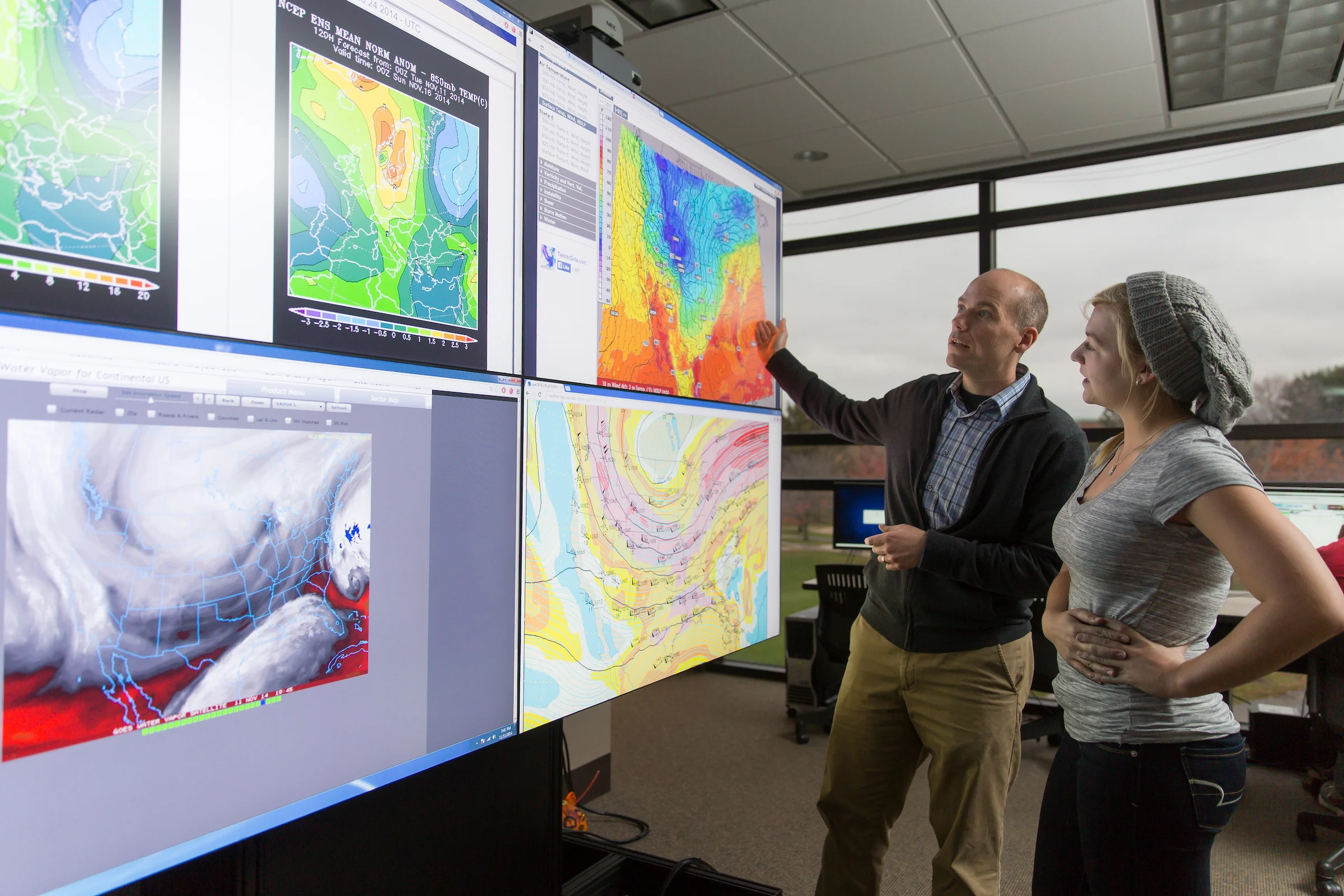
- The Bart J. Wolf Weather Center, a high-tech laboratory dedicated to Valpo meteorology students where you’ll source weather regional information.
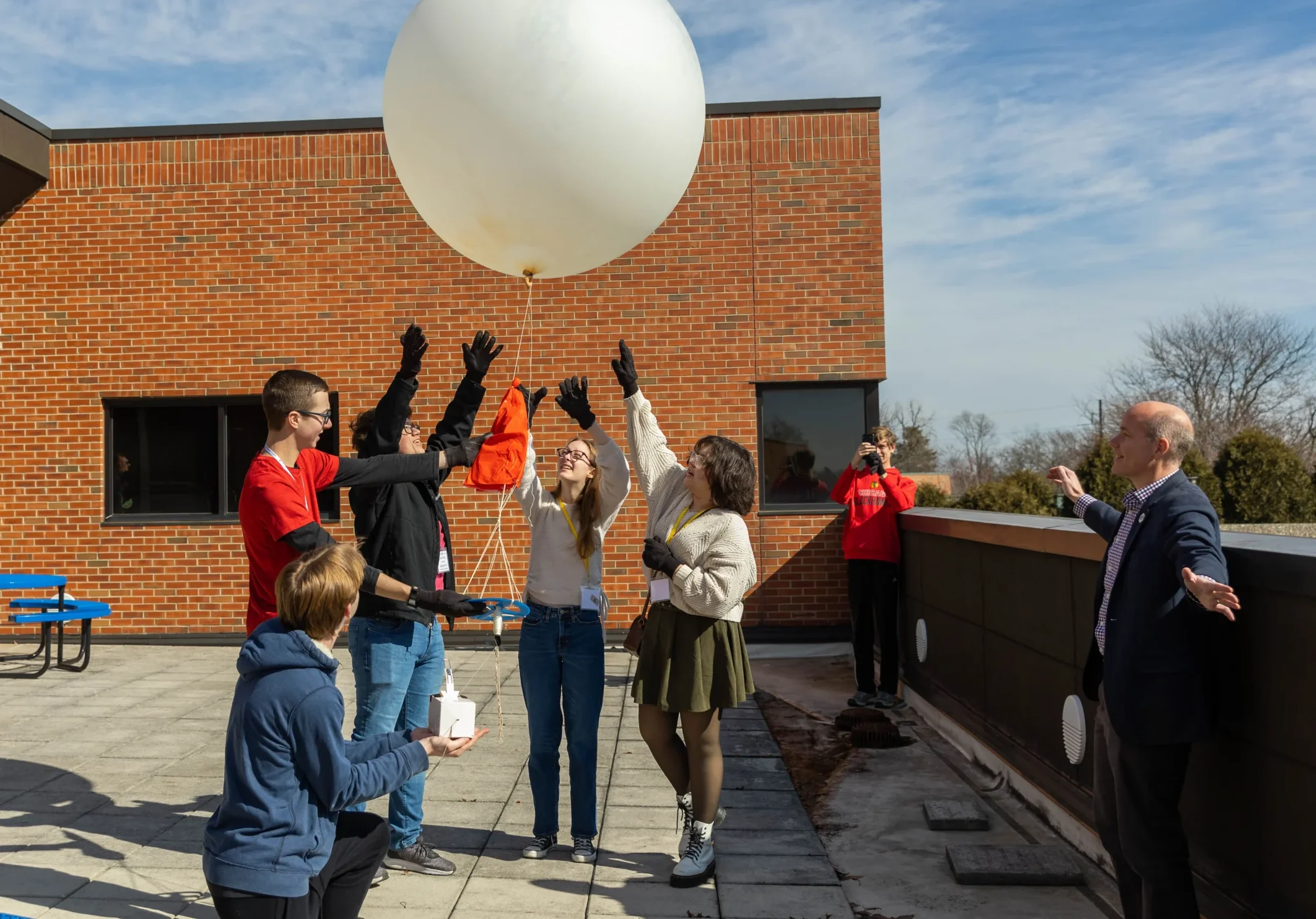
- The Kallay-Christopher Hall weather observation deck, a site for student-led balloon launches and collection of atmospheric data that offers unobstructed views of the southern and western horizon
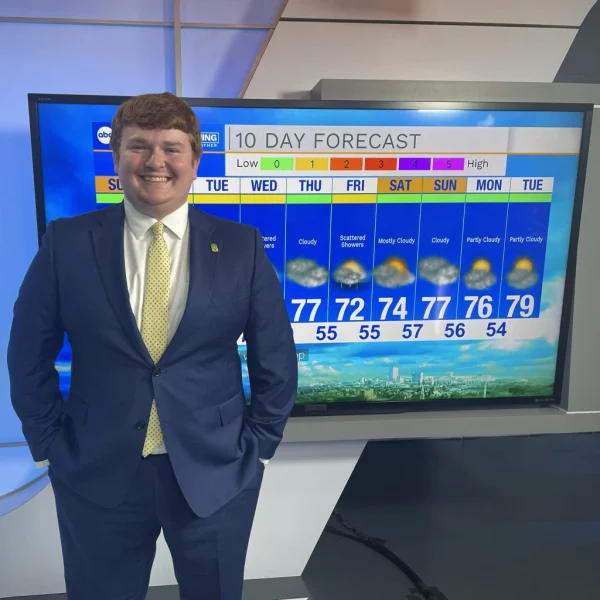
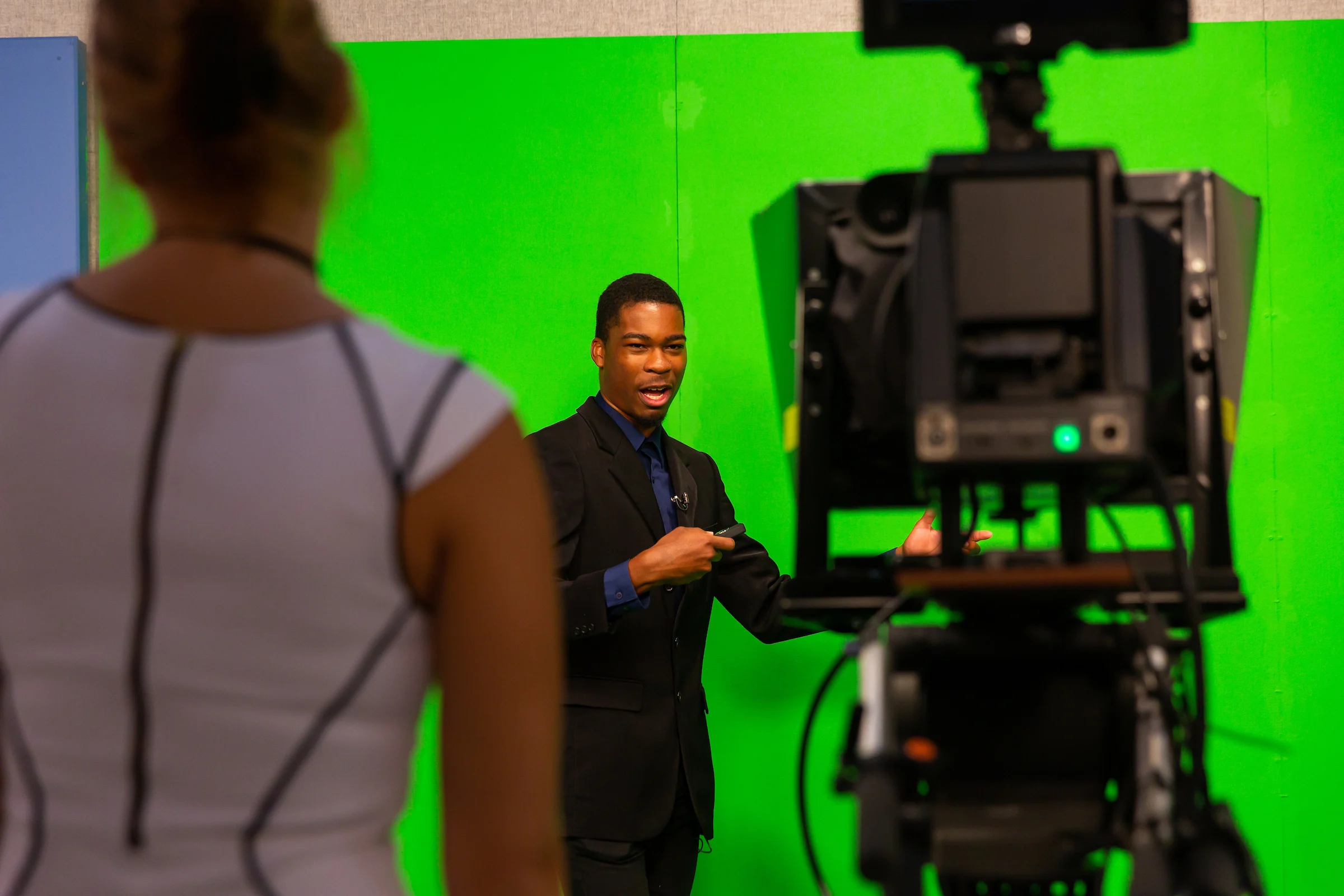
- The VUTV studio, where you’ll learn both the technical aspects and art of broadcasting – complete with WSI TruVU software to emulate the environment of professional broadcasting studios
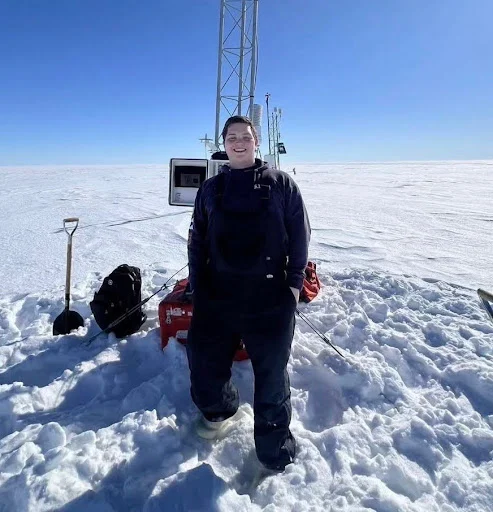
Internships both within the Department of Geography, Meteorology, and Environmental Science and through external organizations allow our students to gain invaluable forecast and research experience prior to graduation. The department offers paid forecasting internships serving Porter County schools and campus organizations. Valpo meteorology students have also earned competitive internship placements with the National Oceanic and Atmospheric Administration (NOAA), including NOAA’s Ernest F. Hollings Scholarship Program and the William M. Lapenta Internship Program, local broadcasters, and the National Science Foundation’s Research Experiences for Undergraduates (REU) program.
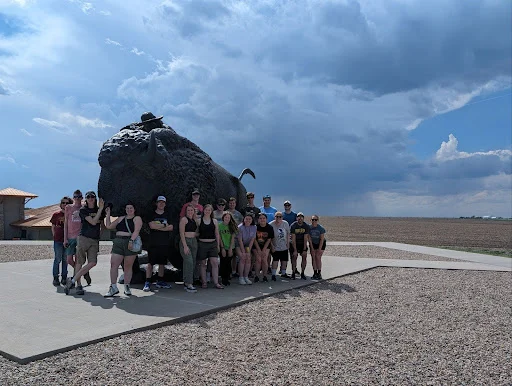
Fieldwork is another critical component to our program that is designed for students to gain real-world experience. One highly anticipated excursion is our program’s annual 11-day Convective Field Study trip to the Great Plains – an unforgettable educational experience. You’ll build your forecasting skills in severe convective environments, linking classroom preparation with real-time application, analysis, forecasting, and storm tracking.
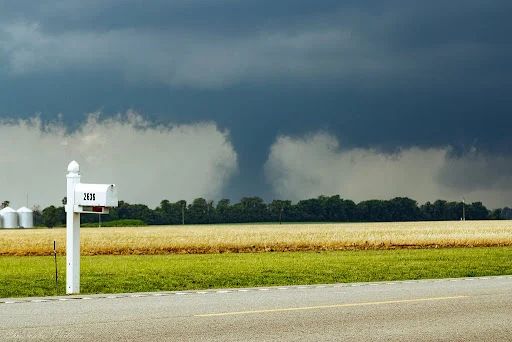
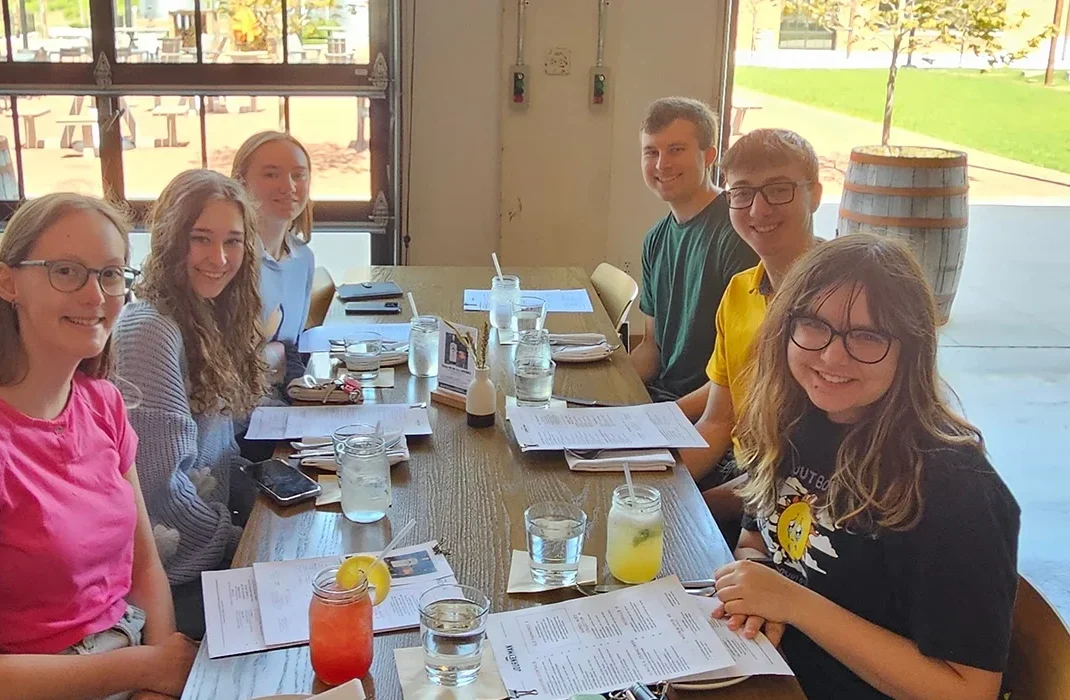
Outside of class, you’re invited to get involved with other students through the Valparaiso University Storm Intercept Team (VUSIT), the Northwest Indiana Chapter of the American Meteorological Society (which helps organize the yearly Great Lakes Meteorology Conference), the Valparaiso University Emergency Management Organization (VEMO), and more.
Meteorology Major
It’s easy to correlate meteorology with broadcasting – but a degree in this essential science unlocks doors to careers in countless other fields, too! Whether you’re interested in weather forecasting, broadcasting, or research, there’s a place for you in the atmospheric sciences.
With a major in meteorology, you can go on to a wide range of careers:
- Air quality meteorologist
- Atmospheric measurement and instrumentation developer
- Aviation meteorologist
- Broadcast meteorologist
- Civil service meteorologist
- Climatologist
- Data analyst
- Emergency management meteorologist
- Energy and commodities meteorologist
- Environmental consultant
- Flight dispatcher
- Forensic meteorologist
- Geographic information systems (GIS) specialist
- Hydrologist
- Numerical modeler
- Operational meteorologist
- Researcher
- Risk management assessor
- Science teacher
- University professor
- Weather forecaster
These roles can be found in both the private and public sectors, including federal, state, and local government agencies. Valpo graduates are in high demand, working at organizations such as the National Weather Service (NWS), the Storm Prediction Center, and NASA.
Employers across the field appreciate the hands-on experiences our students gain with professional-grade instrumentation before they graduate, giving our students a leg up as they start their careers.
Core and Major Requirements
Every Valpo student starts their college journey with the Valparaiso University Experience (VUE) – a collection of core classes that serve as the building blocks of every major. It’s in these courses where you’ll master the critical thinking, communication skills, and cultural perspective needed to shine in any meteorology career.
Valpo’s 32-credit bachelor of science in meteorology is built from foundational classes that come together to give you an understanding of atmospheric science – with mathematics and physics courses, specifically, providing the essential framework for upper-level concepts.
The highlight: more than 20 meteorology-focused elective courses that help you personalize your degree, discover your interests, and prepare for your future career.
Examples of your elective options include:
- Aviation meteorology
- Boundary layer meteorology
- Global climate change
- Lake effect forecasting
- Meteorological instrumentation
- Meteorology research
- Meteorological computer applications
- Numerical weather prediction
- Radar meteorology
- Tropical meteorology
- Severe storm prediction and nowcasting
Our curriculum also fulfills the American Meteorological Society’s guidelines and the federal civil service requirements for meteorologists – meaning you can integrate seamlessly with careers at organizations like the National Weather Service down the line!
| Required Courses | ||
|---|---|---|
| MET 103 | Introduction to Meteorology | 4 Cr. |
| MET 130 | Weather Technology | 3 Cr. |
| MET 215 | Climatology | 3 Cr. |
| MET 216 | Introduction to Meteorological Observation and Analysis | 3 Cr. |
| MET 369 | Atmospheric Thermodynamics | 3 Cr. |
| MET 372 | Atmospheric Dynamics I | 4 Cr. |
| MET 373 | Atmospheric Dynamics II | 4 Cr. |
| MET 480 | Synoptic Scale Analysis and Forecasting | 4 Cr. |
| MET 481 | Mesoscale Analysis and Forecasting | 4 Cr. |
| Additional Required Courses: | ||
| PHYS 141 | Newtonian Mechanics | 3 Cr. |
| PHYS 141L | Experimental Physics I | 1 Cr. |
| PHYS 142 | Electricity, Magnetism, & Waves | 3 Cr. |
| MATH 132 | Calculus II | 4 Cr. |
| MATH 253 | Calculus III | 4 Cr. |
| MATH 260 | Linear Systems and Matrices | 1 Cr. |
| MATH 270 | Ordinary Differential Equations | 3 Cr. |
| One Course from the following options: | ||
| MATH 126 | Calculus and Functions Part II | 4 Cr. |
| MATH 260 | Calculus I | 4 Cr. |
| Minimum 40 credits | ||
Degree Focus Pathways
Is it your dream to be a broadcast meteorologist, just like the weather scientist who tells you the day’s weather forecast every day via television, social media, or radio?
Broadcast meteorology blends forecasting and communication skills to share key information with the public on various media platforms. We recommend students interested in this career path to consider the following elective courses, as well as a digital media arts minor. Getting involved with VUTV would also be a major plus!
Recommended Meteorology Electives:
- MET 240: Introduction to Climate Change or
- MET 440: Global Climate Change
- MET 271: Aviation Meteorology
- MET 279: Severe Storm Prediction and Nowcasting
- MET 292: Lake Effect Snow Analysis and Forecasting
- MET 319: Tropical Meteorology
- MET 335: Meteorological Instrumentation
- MET 350: Boundary Layer Meteorology
- MET 385: Field Study in Meteorology
- MET 435: Radar Meteorology
- MET 486: Internship in Meteorology
Recommended Minor:
Up-to-date course descriptions and course prerequisites can be found in the University Catalog.
Are you interested in interpreting data and writing forecasts? Forecasting and operational meteorology is all about applying atmospheric science to the production of actionable weather forecasts.In this corner of meteorology, you’ll be using a lot of tools and techniques driven by computer technology. The following electives – along with a geographic information systems (GIS) minor – prepare you to not only understand our atmosphere, but also master the instrumentation and technology needed to analyze it.
Recommended Meteorology Electives:
- MET 271: Aviation Meteorology
- MET 279: Severe Storm Prediction and Nowcasting
- MET 292: Lake Effect Snow Analysis and Forecasting
- MET 319: Tropical Meteorology
- MET 335: Meteorological Instrumentation
- MET 350: Boundary Layer Meteorology
- MET 385: Field Study in Meteorology
- MET 430: Numerical Weather Prediction
- MET 435: Radar Meteorology
- MET 440: Global Climate Change
- MET 460: Data Analysis
- MET 486: Internship in Meteorology
Recommended Minor:
Up-to-date course descriptions and course prerequisites can be found in the University Catalog.
After earning your undergraduate degree in meteorology, do you picture yourself entering a career in research or heading off to graduate school? Our graduate school and research meteorology pathway prepares you to zero in on a problem, grasp the theory behind it, analyze your data, and model a solution – the foundational steps to solving any research problem.
Recommended Meteorology Electives:
- MET 271: Aviation Meteorology
- MET 319: Tropical Meteorology
- MET 330: Meteorological Computer Applications
- MET 335: Meteorological Instrumentation
- MET 350: Boundary Layer Meteorology
- MET 385: Field Study in Meteorology
- MET 430: Numerical Weather Prediction
- MET 435: Radar Meteorology
- MET 440: Global Climate Change
- MET 460: Data Analysis
Up-to-date course descriptions and course prerequisites can be found in the University Catalog.
Meteorology Minor
Interested in adding meteorological expertise to your academic resume? Our 16-credit minor in meteorology can be combined with a variety of majors to help you prepare for your future career – or explore a topic you find joy in.
| Minor Requirements (Minimum 16 Cr.) | ||
|---|---|---|
| MET 215 | Climatology | 3 Cr. |
| MET 216 | Introduction to Meteorological Observation and Analysis | 3 Cr. |
| One Course From The Following Options: | ||
| MET 103 | Introduction to Meteorology | 4 Cr. |
| MET 190 | Topics in Weather and Climate | 4 Cr. |
| Two Courses From The Following Options*: | ||
| MET 130 | Weather Technology | 3 Cr. |
| MET 240 | Introduction to Climate Change | 3 Cr. |
| MET 271 | Aviation Meteorology | 3 Cr. |
| MET 279 | Severe Storm Prediction and Nowcasting | 3 Cr. |
| MET 319 | Tropical Meteorology | 3 Cr. |
| MET 350 | Boundary Layer Meteorology | 3 Cr. |
| MET 430 | Numerical Weather Prediction | 3 Cr. |
| MET 435 | Radar Meteorology | 3 Cr. |
| MET 440 | Global Climate Change | 3 Cr. |
| *Students may not take both MET 240 and MET 440 to fulfill this requirement | ||
Up-to-date course descriptions and course prerequisites can be found in the University Catalog.
Upcoming Admission Events
College of Arts AND Sciences
Program Rankings and Highlights
Shining Brightly, Together
Voices of Valpo


Student Spotlight
NOAA Hollings Scholars
Earning a spot in the National Oceanic and Atmospheric Administration (NOAA)’s Ernest F. Hollings Scholarship program is one of the most prestigious academic accolades an undergraduate meteorology student can receive. In 2025, an impressive six Valpo meteorology students were accepted into this highly selective program!
VUTV Studio Experience
Want to see yourself on screen? Our on-campus VUTV production studio runs like a real television station, giving you hands-on experience in broadcast meteorology. Take broadcasting courses, join the VUTV weather team, and start building the skills that set you apart as a future meteorologist.
Meet Our Faculty
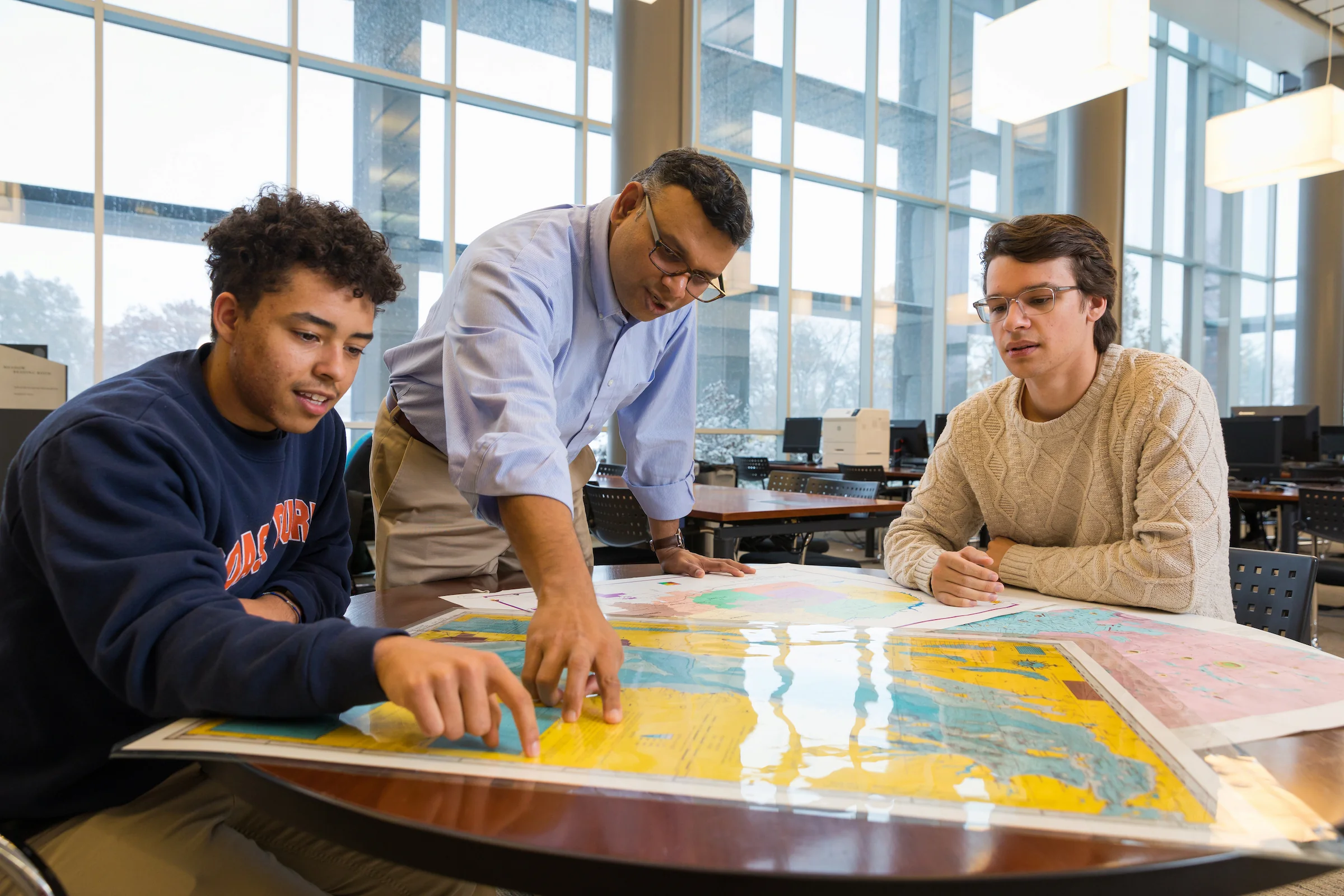
Professors. Mentors. Friends. At Valparaiso University, you will work on real-life problems alongside faculty leaders with decades of experience and a true desire to do what’s best for you.
College of Arts AND Sciences
Related Programs